Building a new home from the ground up is a pretty exciting thought. You get to shape it how you want, pick out what goes where, and make choices that genuinely suit how you and your family live. But custom home construction can feel like a big deal when you’re not exactly sure what steps come first, or what comes after that.
Because it’s not a one-size-fits-all process, building a custom home involves more decisions than buying an existing property or going with a standard plan. There’s flexibility, yes, but that comes with planning. Whether it’s your first build or you’ve been thinking about it for years, knowing what’s involved helps you feel more confident before anything’s even drawn up. Here’s how it all usually comes together.
When people say “custom home,” they usually mean anything built to suit the owner’s choices instead of sticking strictly with a pre-set plan. But not every home with a few changes is truly custom. A full custom build gives you say from the layout to the materials, maybe even down to where the sun hits your kitchen in the morning.
It can start with a blank page or a starting plan that’s adjusted to suit your ideas. Unlike a spec home, where most design decisions are already made, a custom build lets you control the layout, materials, fittings, and feel. You’re not locked into one kitchen shape or a certain set of exterior cladding options.
But that freedom is about more than looks. A smart custom design should match how you live day to day. Big family dinners? You want a kitchen and indoor-outdoor space that flow easily. Working from home? Then study spaces that feel separate from the noise start to matter. The whole idea is that your house works with how you move through it, not the other way around.
GT Building works closely with each client to shape spaces around daily living, tailoring everything from interior layouts to material selections for the block and local weather.
The planning starts long before any holes are dug. Step one is the land: where it is, what size it is, how flat or steep the block might be, and what kind of views or sun access it gets. These shape the design and sometimes the budget too.
Setting a budget early matters more than most people think. It helps shape your choices in realistic ways and keeps expectations clear from the beginning. Being up front about what you’re working with gives your builder and designer the best run at doing what you need without pushing things too far.
Getting the right builder on board early makes a real difference. That early input can steer tricky parts like site access, local council rules, or design features that aren’t straightforward. Planning permission, resource consent, and building code checks might come across as paperwork hassles, but they keep the build safe and legal. If you’re near the coast or on sloping ground, expect a few extras in the early planning, too.
GT Building specialises in custom builds across the Hibiscus Coast, helping clients navigate local rules and council requirements from the first meeting.
Once the basics are sorted, things move into design mode. You’ll work with an architect or building designer to bring those ideas and must-haves into proper drawings. That’s where you make big layout choices: do you want the kids’ bedrooms together or split? Should the living be upstairs to grab a sea view? How many bathrooms actually make sense for the block and your family?
The shape of your land has a big influence here. Narrow blocks might need more vertical thinking. A wide lot with views on one side changes window placement and how the house opens up. These design meetings are where your lifestyle turns into something buildable.
Once the sketches start to feel right, things shift into technical plans. These are the ones needed for building consent, complete with details about structures, drainage, materials, and safety features. It’s the bridge between your ideas and an actual worksite.
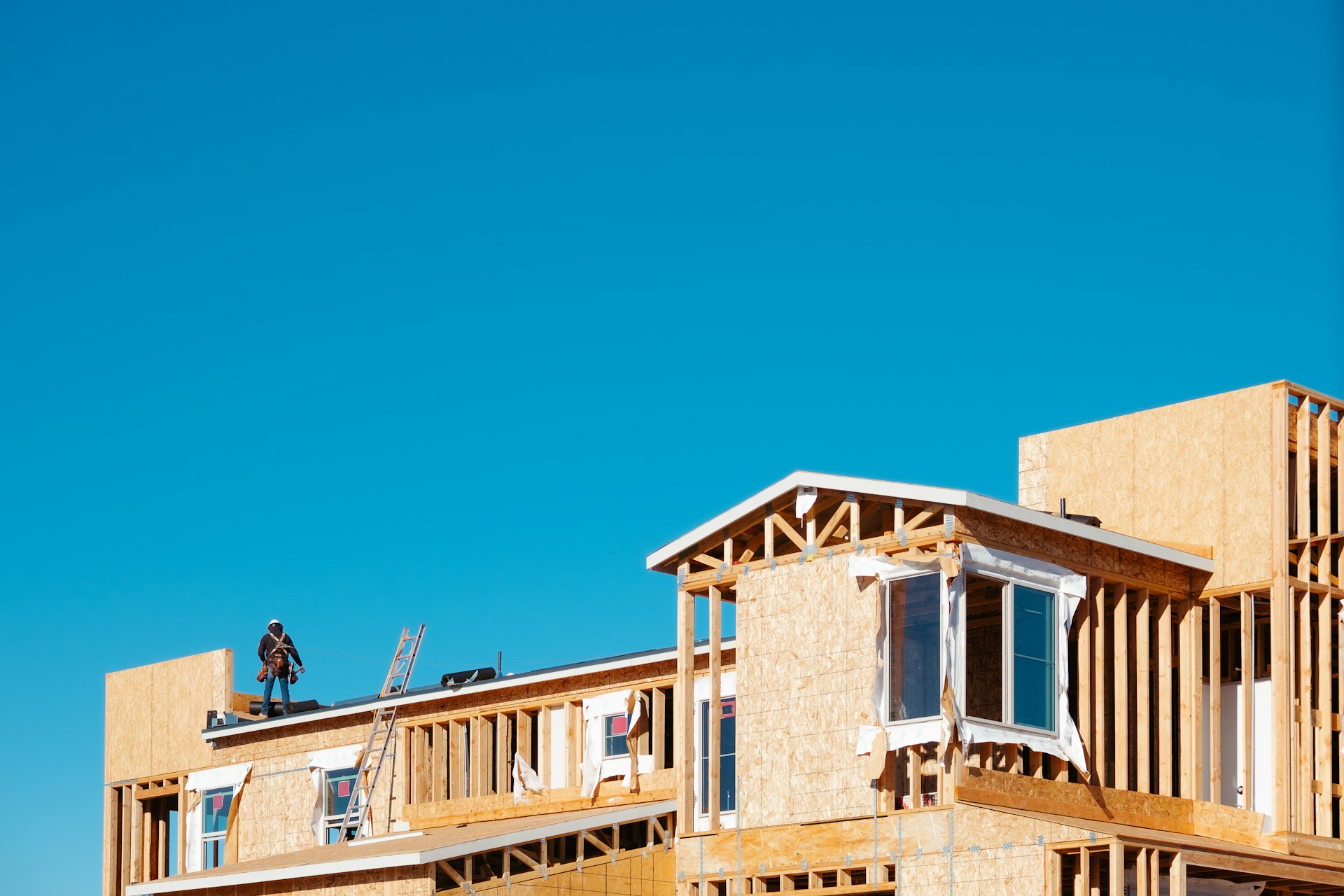
Seeing things go from paper to timber and nails is exciting, but it helps to know what actually happens on site. The early stage includes groundworks like digging, laying the slab or piles, and installing services. Then come the frames and roof, so the bones of the house take shape.
Once it’s watertight, the next wave starts. Interior walls, electrical and plumbing, insulation, and linings all go in. After that comes the fun bit: kitchen install, bathroom fit-offs, lighting, paint, flooring, and everything that gives the space its tone.
There’s a rhythm, but weather and supply delays can shift timelines. Heavy rain, for instance, can slow external work like roofing or decking. That’s normal in summer building across New Zealand, especially in coastal areas like the Hibiscus Coast.
Ongoing check-ins help keep things on track. Regular walk-throughs and short meetings with the builder make sure the little details are right, and that there are no surprises when it’s time to choose a final paint colour or tile layout.
A lot of energy goes into the planning and building, but the finishes are where the house turns into a home. Here’s where flooring styles, splashback tiles, cabinetry colours, or door handles come into focus. These choices don’t just affect the look, but the way it lives.
Outside, the job isn’t always done when you lock the front door. You might still be coordinating fencing, patios, pathways, letterboxes, or garden beds. Where boundary rules or stormwater paths are involved, these items sometimes get built into the early plan.
Once the paint is dry and the last tap is in, a final round of checks happens. That includes a thorough inspection to sign off on the work and give your home its formal go-ahead for move-in day.
Living in a space that was shaped around your life just feels different. You notice it in the morning sun falling exactly where you wanted it in the living room. Or when the layout flows easily for busy mornings or Saturday barbecues.
Every choice made during the build eventually touches how you experience home. That’s why a good custom home isn’t just about style. It’s about how well your spaces support the way you live, and how comfortably you settle into them once the building’s done. When the home fits your life, not just your design file, that’s when the custom part truly shows.
Ready to bring your vision of the perfect home to life? Partner with GT Building, a custom builder in Hibiscus Coast, to transform your ideas into a tangible reality. With our focus on practical layouts and personal touches, you’ll enjoy a seamless and personalised building experience. Let us guide you every step of the way, ensuring your new home fits your lifestyle perfectly.
Welcome to GT Building, where we blend
quality craftsmanship with community spirit!
Call Us:
Grant: +64 21 298 5949
Tony: +64 27 475 1017
Copyright © 2026 GT Building