
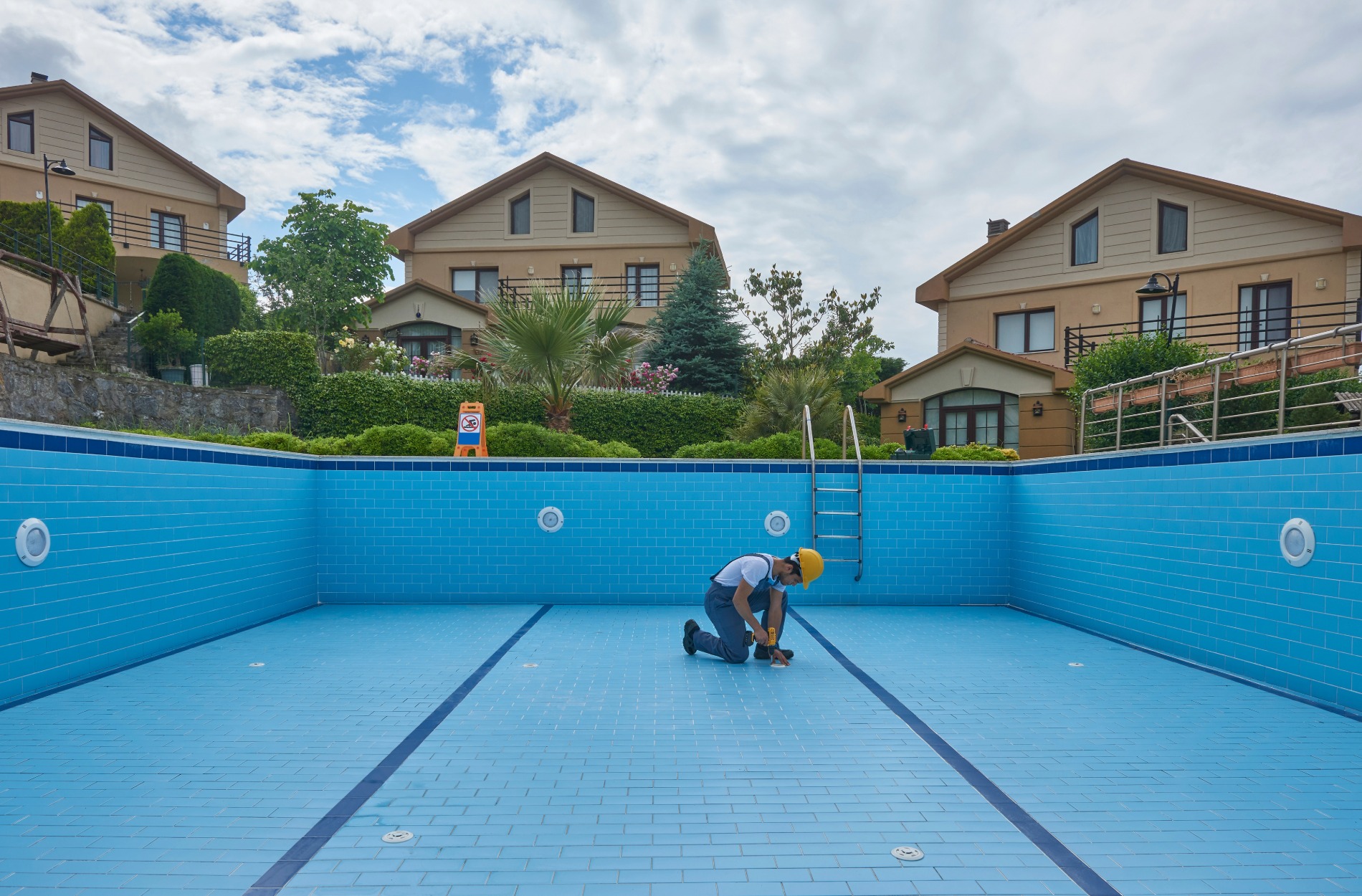
Planning a new home can feel like juggling a hundred moving parts. Pool design is one area where timing really matters, but it often gets pushed aside as something to deal with later. The truth is, pool planning does not sit off to the side. It connects with how your home gets built from the ground up.
That is where your builder comes in. A good building services contractor can spot the details that affect pool setup long before there is a trench dug or a frame in place. That is helpful not just for avoiding headaches later but for bringing everything together so your space works better once the weather warms up. From site layout to local rules, there is a lot they can touch during the planning stage that makes your whole outdoor area more useful once it is built.
When mapping out a house, the pool is not just a nice add-on. It can change some of the key layout choices and even influence where the house sits on the block. Think about things like access for excavators, soil movement, or the slope of the land. These are easier to work around before the slab is poured than after a house is already taking shape.
One of the most common regrets we hear is having to redo retaining walls or rework the drainage setup because the pool was not considered during the early drawings. Those are costs and delays that can be avoided by raising the pool early with whoever is handling the broader layout. That might mean shifting a garage slightly, adjusting how rainwater runs off, or changing the type of fence needed once pool safety requirements kick in.
We have worked on sites where the original plan left no room for digging machines to get to the backyard. Fixing that meant pulling up part of a new driveway. Planning ahead could have made that avoidable. So if a pool is on your future list, bring it up with your builder at the start—well before any trenches are dug.
Builders at GT Building are used to helping homeowners plan pool areas that fit within the scope of the initial build and can advise on soil type, boundary distance, and how the pool will interact with new or existing foundations.
A well-placed pool can do a lot more than just cool you off. It becomes part of how the house feels every day. If you plan and build with that in mind, you do not have to settle for an awkward back corner or a space that is too noisy or bright.
We like to think about how the pool connects with the kitchen, the main living areas, and outdoor dining zones. Having a clear line of sight from inside the house means easier supervision and more time outside. On the other hand, you do not want splash zones right near relaxing spots or the glare from water bouncing into large glass windows all afternoon.
This is another spot where involving a builder early is a win. They have walked enough finished projects to know how door placement, window height, and traffic lines from the house all play a part in how a pool is used. Sometimes, just flipping a deck edge or shifting where a sliding door opens makes the pool feel more natural and easier to enjoy for everyone.
When GT Building plans new homes and extensions, they design decks and outdoor living spaces to factor in pool entry, shade, and visibility, helping to streamline the build and finish.
Pools raise a lot of small but important design questions that are easy to miss unless you are used to thinking through the full build. Builders often notice things like fence visibility lines, boundary clearances, or the effects of local wind flow that might be missed on a pool-only plan.
Then there is where everything fits. The pump, the filter, the heating system—all of those need space, airflow, and usually a bit of sound isolation. A building services contractor can walk through where those might sit in relation to the rest of the home and how to build around them so they do not become a problem later.
We have seen builds where pool gear was installed too close to quiet rooms, causing a steady hum that nobody expected. Builders can also think ahead to outdoor storage for towels, cleaning tools, and furniture. Even something small like where to put the poolside gate can make a big difference to how the space flows once it is all in use.
One big benefit of talking pool early is that it allows your builder to speak with your landscaper or pool provider without needing major changes down the road. Everyone is working from the same map, which can save time and prevent double-handling.
Building a home is a big process, and adding a pool later might sound easier—but it rarely is. Once finished landscaping, paving, and services are in place, bringing in a pool can mean ripping much of that up again. Prep work during the house build can keep those re-dos to a minimum.
That does not mean you have to build the pool right away. Some clients want to wait a year or two, and that is fine. The builder just needs to know so they can allow for future access, handle drainage correctly, and avoid placing things like sheds or fencing in spots that will block machines later.
We often stage parts of the build with the future pool in mind. That could mean running conduit under concrete paths or setting aside a clear boundary for later dig access. Coordinating those details upfront often makes the difference between a smooth install later or a full do-over.
Timing plays into budget, too. Builders who know about the pool from day one can slot in early groundwork while the crew is still on site. That shrinks the number of touchpoints later and can reduce wait times or back-and-forth between tradies.
Here on the Hibiscus Coast and around Auckland, warm summers and long evenings make outdoor spaces some of the best parts of the home. That is why it makes sense to put extra thought into making pool zones comfortable and useful before the heat hits.
If you have lived through a hot Auckland February, you know glare and wind can turn nice spaces into no-go zones. That is where smart choices in shade and orientation come in. Knowing where the sun hits in late afternoon, how the breezes move through the block, and which parts of the yard tend to flood or dry out can shift key planning choices.
These are things we think through early in the design process. That includes privacy. With some coastal blocks being tight or sloping, you might end up with clear views right into the pool from next door if layout decisions are rushed. Builders can work with that knowledge to go beyond just fitting a pool—they help place it where you will actually want to spend time without feeling like you are on show.
When everything works together, you feel it. The flow from the kitchen to the outdoor seating to the pool just makes sense. Towels have a place. Walkways stay dry. There is enough shade, but not too much. Those small wins do not show in a brochure photo, but they are what make a house feel ready for summer.
When you plan those pieces before the walls go up or the foundations are in, it becomes much easier to bring that feeling into real life. Builders who understand this are not just problem-solvers, they are coordinators. They bring the big-picture view that ties together function, timing, and simple enjoyment.
Bringing your pool plans into the build does not have to be complicated. Done right, it simply becomes part of a smarter, better home. When the summer heat rolls in, you can relax, knowing the groundwork was done in the right order.
Planning a new build works best when every detail fits together from the start. Chatting early with a trusted building services contractor can help bring shape to a home that suits your life now and down the line. At GT Building, we focus on layouts that make space for whatever’s coming next—whether that means a pool this summer or one a few years away.
Welcome to GT Building, where we blend
quality craftsmanship with community spirit!
Call Us:
Grant: +64 21 298 5949
Tony: +64 27 475 1017
Copyright © 2026 GT Building