Starting any home project comes with plenty of decisions. One of the first is choosing the kind of help you’ll need. Whether you’re thinking about a complete home build, adding a family pool for summer, or finally turning that unused corner into something useful, knowing who to bring on board makes a difference.
Around the Hibiscus Coast, there’s usually more than one approach to most builds. A local construction company in Hibiscus Coast might offer the choice between hiring a single builder or pulling in a full team. Both can deliver great results, but they work in different ways. If you understand what each option brings to the table, it’s easier to start your project with confidence and avoid any back-and-forth later on.
At a basic level, a builder is often the person swinging the hammer, calling the suppliers, and keeping things moving on-site. They might work on their own or with one or two helpers. This kind of setup works well for small or straightforward jobs where communication lines stay short and decisions are simple.
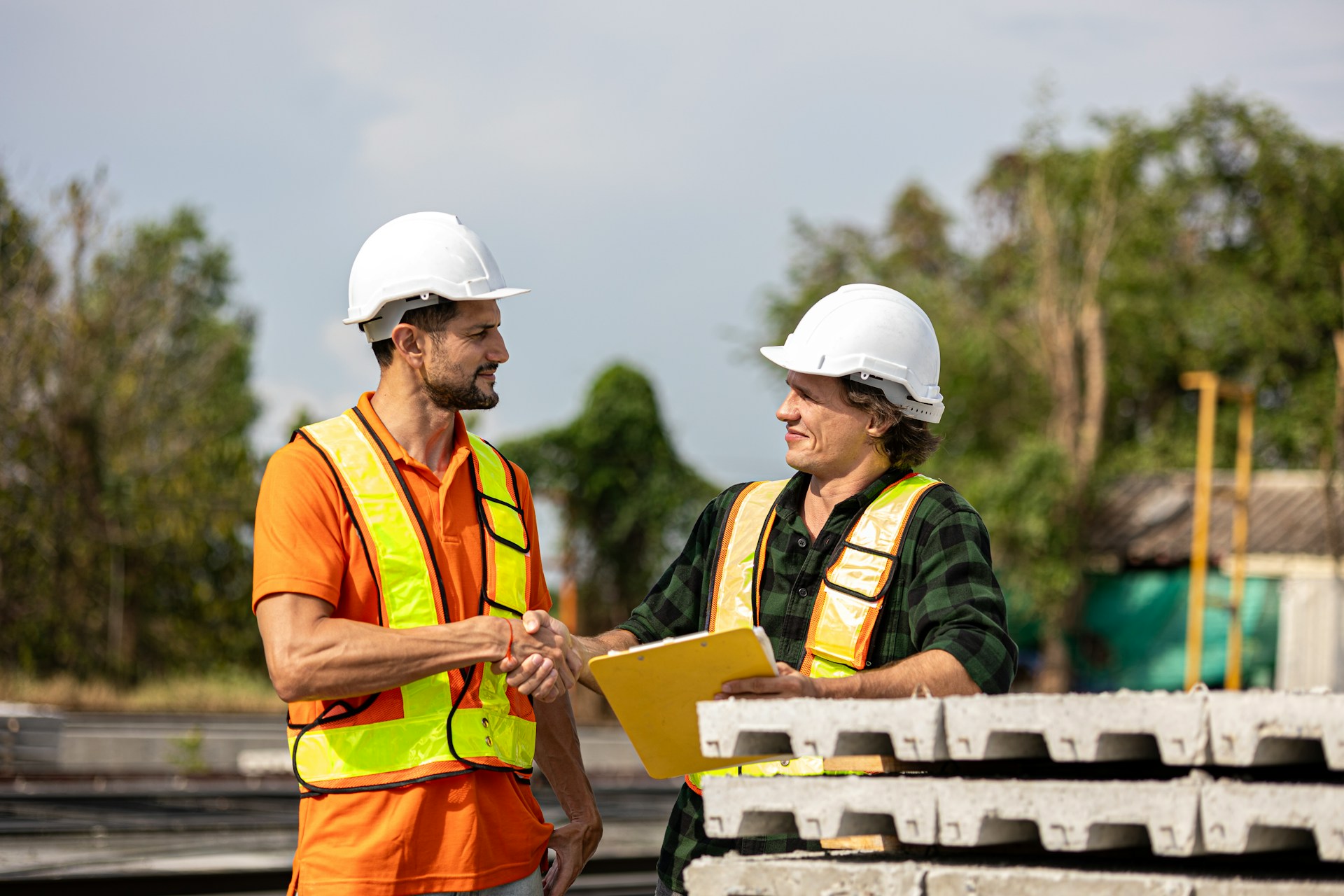
A full construction team, on the other hand, tends to work more like a unit. These teams usually include a site lead, licensed trades like sparkies and plumbers, someone managing permits or product orders, and often an organiser who keeps schedules and budgets sorted. Everyone plays their part, and things can keep moving on more than one front at once.
If you’re doing something like replacing a door or upgrading a single space, a solo builder could be more than enough. But once it turns into balancing diggers, scaffolds, and council paperwork, spreading the load across a team helps keep things from stalling. Larger teams also work better when timing matters, like trying to get foundations done before holiday season kicks in.
GT Building offers both solo builder and full-team setups for new builds and renovations, providing everything from site management to material handling and trade coordination.
Not every build turns into a big project. In fact, many of the best upgrades happen in smaller stages. A solo builder with a couple of regular subcontractors can be the right fit for:
– One-room updates like a bedroom or study
– Fixing parts of the house without touching the layout or frame
– Projects where the design is already locked in with clear drawings and deadlines
Say you’ve got a bathroom plan ready from a designer, and you don’t need plumbing moved or walls shifted. A builder can take that and run with it, without needing to bring in extra hands or stretch out the timeline.
This setup works well too when you’re happy to be more hands-on across the build. If you’re comfortable chasing up quotes, buying finishings, or arranging trades yourself, a smaller crew can still bring the project to life.
When the job’s more than just a patch-up or paint job, the puzzle pieces start to multiply. Think about home extensions, outdoor builds with layers like timber, stone, and plumbing, or anything involving major framing changes. Here’s where a full team brings real value.
With multiple trades on the go—say, laying pipes while someone frames the deck and another builds retaining walls—it’s not just about doing the work, but doing it in the right order. That takes planning, eyes on the timeline, and solid communication.
You’ll likely need inspections and approvals too. Whether from council or third-party engineers, the paperwork side can be just as time-heavy as the build itself. A full team often includes someone who keeps that side of things flowing, which helps avoid hold-ups long after the materials have arrived.
It’s also easier to manage the variations that sneak into a project. Site issues, weather delays, or supply swaps all come up more often with larger builds, and it helps having a team that’s worked through those kinds of changes before.
GT Building assigns dedicated project managers on complex jobs, helping coordinate trades, keep up with site safety, and make sure the work passes all council checks.
Choosing between a solo builder or a team doesn’t need to be complicated. It usually comes down to three key things:
1. How big is the project, and what’s the timeline?
2. How much of it are you planning to manage yourself?
3. Do you already have plans and permits, or does the build need help from the ground up?
If you’re working on something that needs multiple stages to come together or needs to be done by a set date—like finishing before a family event or the new school year—having a full team helps keep everything on track at once.
Talking to a local construction company in Hibiscus Coast can help make the difference between guessing and knowing. They can walk through your site, spot the jobs that might need more hands or planning, and help you see what approach is going to save time and stress in the long run.
Even with the best tradies on board, the real success of a build starts before any tools come out. Taking time to choose the setup that matches your project helps avoid slowdowns, rework, and late changes to the plan.
You don’t need to have all the answers before starting. What matters is getting the right support for the work you want done. Whether you go with one reliable builder or bring on a team that works together daily, the best results come when everyone knows what they’re aiming for and when. Planning ahead keeps things clear, and when everyone’s clear on their role, the build has a solid chance of staying smooth from start to finish.
Planning ahead makes all the difference, and working with a local construction company in Hibiscus Coast means you’ll always know what’s coming next. At GT Building, we keep things simple and transparent from start to finish so your build feels less stressful and more achievable.
Welcome to GT Building, where we blend
quality craftsmanship with community spirit!
Call Us:
Grant: +64 21 298 5949
Tony: +64 27 475 1017
Copyright © 2026 GT Building